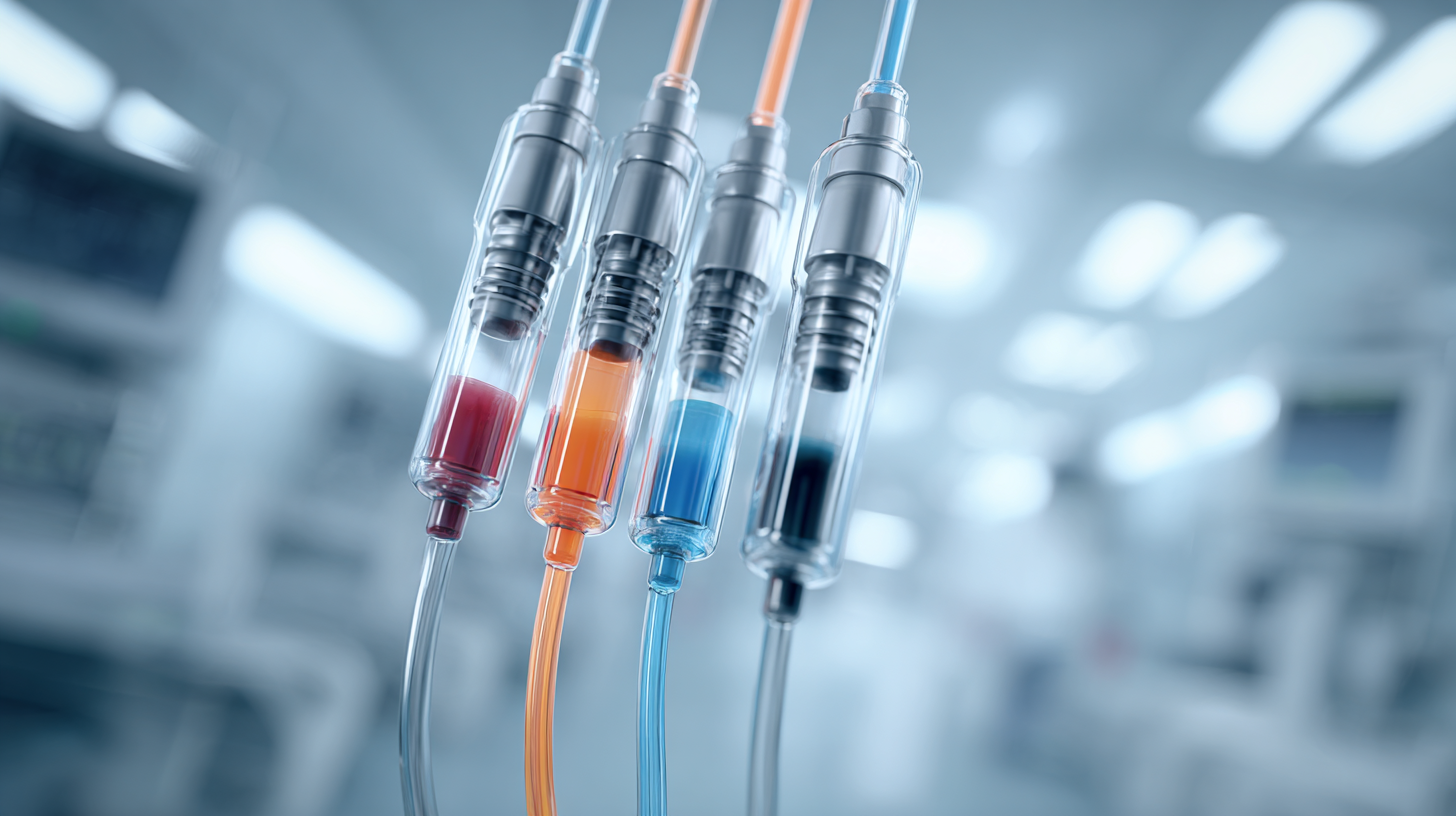
When it comes to kidney care, you really can't underestimate how important HemoDialysis Catheters are—they're literally lifelines for folks dealing with end-stage renal disease. I came across a report by Grand View Research that said the global market for hemodialysis stuff was worth over $60 billion back in 2021, and honestly, it's only expected to grow. That’s mainly because more people are dealing with chronic kidney issues, plus the aging population is getting bigger too. At Tianck Medical Co., Ltd., we truly see how urgent it is to come up with smarter, more effective solutions that can really make a difference for patients. We're all about creating precision-engineered products that match the trend of making dialysis devices more user-friendly and efficient. As we look into some of these game-changing medical devices, it’s clear that technological advances are really reshaping how we care for patients—and helping healthcare providers tackle the many challenges in dialysis today.
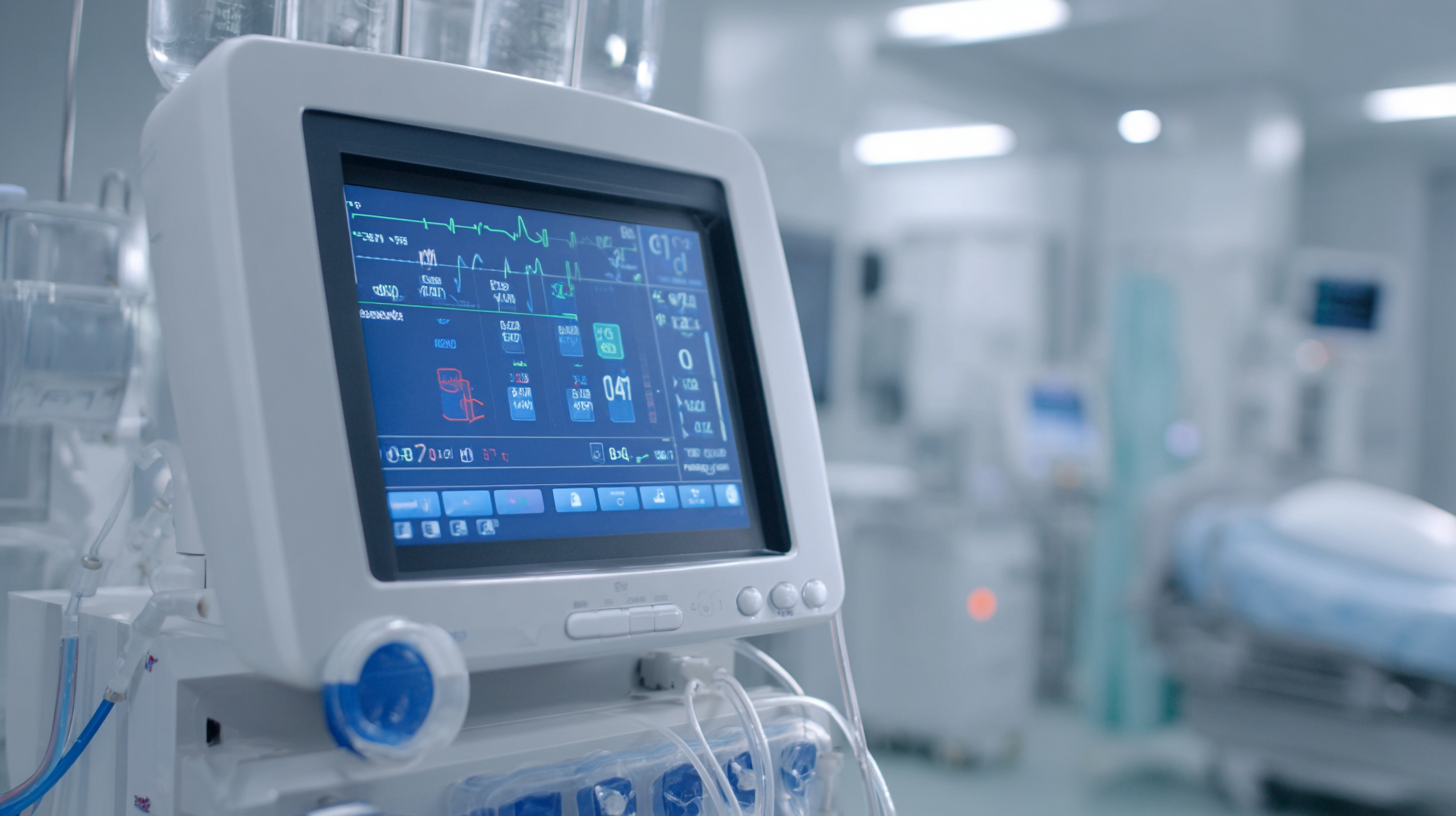
You know, the way hemodialysis catheters have evolved really marks a big step forward in how patients experience their treatment. These days, new designs are a game-changer—they focus on making things easier and more comfortable for folks going through dialysis. For example, recent improvements in catheter materials have led to softer, more flexible options that cut down on irritation and make the whole process way more bearable. Not only are these new models simpler to insert, but they also come with a lower chance of complications. That means patients can pretty much focus on healing rather than worrying about the discomfort or risks tied to older, traditional catheters.
And it doesn’t stop there—adding smart tech into these catheters is another huge leap. Some are now equipped with sensors that actively track blood flow and can spot clogging issues right away. This is such a big help because healthcare teams can jump in quickly if something’s off, making treatments safer overall. Plus, the data these smart catheters gather can really help personalize treatment plans, giving patients more tailored care. Overall, by designing devices that are both effective and more comfortable, these latest hemodialysis catheters truly reflect a genuine commitment to making life better for people with chronic kidney issues.
You know, the new advancements in hemodialysis catheter tech really could change the game when it comes to patient care—especially around infection rates. It’s pretty common to see infections as one of the main issues in hemodialysis, often making recovery longer and complicating things for patients. Researchers are really diving into how different materials and designs for these catheters might help cut down on those risks. From what I’ve read, adopting these newer, more advanced catheters could potentially lower infection rates by up to 30%. That’s a pretty significant improvement, and it just goes to show how important these innovations are.
On another note, the global market for peritoneal dialysis looks like it’s about to explode, expected to hit around $14 billion by 2025 and then skyrocket all the way to about $203 billion by 2033. That’s a compound annual growth rate of roughly 6.1%. Basically, there’s a big shift toward better dialysis solutions overall, and new tech around catheter management seems to be a big part of that. These advances not only make the procedures safer but also help make the whole process more efficient, which, at the end of the day, means better health results for folks dealing with severe kidney issues.
This bar chart illustrates the infection rates associated with traditional and innovative hemodialysis catheter designs. Recent advancements in catheter technology have significantly reduced infection rates, showcasing the effectiveness of new designs in transforming patient care.
Lately, there’s been a lot of progress in the world of hemodialysis catheters, and it's really changing how we care for patients. You know, traditional catheters have been effective, but they often come with their fair share of issues—like infections, blood clots, and some pretty uncomfortable sensations. Looking at the side-by-side comparison between those older models and the newer, innovative designs really highlights how far things have come. These new catheters are made with better materials that help cut down infection risks and are more friendly to the body, which is especially important for folks who need dialysis over a long period.
Plus, the design tweaks mean they flow better and are less likely to get blocked. That means patients don’t have to endure frequent catheter replacements, and hospitals can save on costs related to complications and hospital stays. It’s pretty clear that the focus nowadays is on making things safer and more comfortable for patients. As healthcare keeps evolving, these modern hemodialysis catheters are definitely a step in the right direction, improving outcomes and making the whole process a bit easier on everyone involved.
Recently, there have been some pretty exciting advancements in hemodialysis catheters that are really making a difference for patients—improving their outcomes and just making life a bit easier during treatment. You know, according to the National Kidney Foundation, around 726,000 folks in the U.S. are living with end-stage renal disease, and a good chunk of them depend on hemodialysis. The older kinds of catheters, honestly, came with pretty serious risks like infections and blood clots, which meant longer hospital stays and higher healthcare bills.
But now, with newer designs that use smarter materials and tech, those risks are being knocked down quite a bit. For example, studies show that antimicrobial catheters have cut bloodstream infections by more than 30%, meaning fewer complications and a smoother experience all around for patients.
On top of that, these design improvements are helping the catheters last longer and making patients more comfortable. Tunneled Catheters, for instance, seem to stay more stable, so people can go about their daily routines a lot easier. I came across a survey by the American Society of Nephrology that said patients using the newer types of catheters are about 25% more satisfied with their dialysis experience. It’s pretty clear that these innovations aren’t just about medical stuff—they make a real difference in how patients feel overall, giving them more control over their health and daily lives.
It’s like, treatment is getting better, and life is a little easier, which is such a positive shift all around.
The world of hemodialysis catheters is changing pretty quickly these days, thanks to new designs that aim to make things more comfortable for patients and improve their overall treatment experience. You’ll notice a trend shifting towards catheters that don't just cut down on complications like infections and blood clots, but also are easier for healthcare providers to handle. For example, recent innovations in materials and engineering have led to catheters with antimicrobial coatings and clever shapes that help blood flow better and even reduce the number of access points needed. These kinds of improvements are super important for folks who need long-term dialysis—they make the whole process smoother and less painful, which honestly makes a big difference.
As these new technologies come into play, regulatory issues become a big deal. Any new hemodialysis catheter has to go through thorough testing to make sure it’s safe and actually works—something that can slow down how quickly they hit the market. Regulators are also updating their rules to better evaluate the risks and benefits of these cutting-edge devices, which means manufacturers and regulators need to collaborate more than ever. All of this just shows how important it is not only to meet healthcare needs but also to prioritize patient safety and quality standards. Moving forward, staying on top of these regulatory updates will be key for companies wanting to bring innovative products to patients without a hitch.
: Recent advancements include the use of softer, more flexible materials that reduce irritation and discomfort during treatment, making catheters easier to insert and minimizing the risk of complications.
Catheters equipped with sensors can monitor blood flow and detect potential blockages in real-time, allowing healthcare providers to respond quickly and improving patient safety.
Advanced hemodialysis catheters have the potential to decrease infection rates by up to 30%, thereby enhancing patient safety and outcomes during treatment.
The market is projected to reach $14 billion by 2025 and $203 billion by 2033, reflecting a broader trend towards improved dialysis solutions, particularly with innovations in catheter management.
There is a shift towards catheters that minimize complications like infections and thrombosis, use antimicrobial coatings, and improve the ease of use for healthcare providers.
The introduction of novel catheters requires rigorous safety and efficacy testing, influencing approval timelines and market access, necessitating collaboration between manufacturers and regulatory bodies.
These designs ensure a more seamless and pain-free experience for patients who rely on long-term dialysis, addressing comfort and usability.
Smart catheters can collect valuable data that help tailor treatment plans to individual patient needs, fostering a more personalized approach to care.
Adapting to regulatory changes is essential for ensuring safety and quality standards, which can influence the success of bringing innovative products to market.
Reducing the need for multiple access points enhances patient comfort and simplifies the procedure for healthcare providers, leading to better overall experiences.
You know, in the fast-changing world of patient care, it's pretty exciting to see how new designs in Hemodialysis Catheters are really making a difference for patients. These tech upgrades don’t just make things more comfortable—they're also tackling one of the big worries folks have with traditional devices, which is preventing infections. When you look at the studies, it’s clear: these newer catheters often outperform the old-school ones, leading to better health outcomes and a much better quality of life for patients.
As we dive into what’s trending and what regulations are coming into play, it’s pretty obvious that these innovations are all about precision and tailoring solutions to meet what both medical teams and patients need. At Tianck Medical CO., Ltd., we’re passionate about pushing these advancements forward. Our goal is to create products that really make a difference—ultimately helping improve lives and making dialysis treatment safer and more effective.
Basically, it’s all about moving forward with tools that are smarter, safer, and more comfortable—because everyone deserves that kind of care.