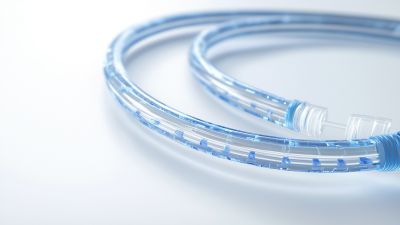
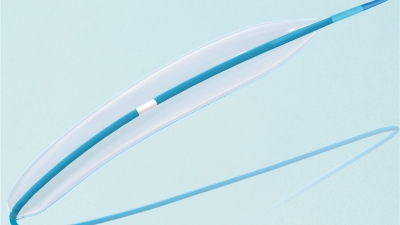
In the fast-changing world of interventional medicine, the Guiding Catheter is honestly becoming more and more important. Healthcare pros are always on the lookout for new ways to improve patient outcomes, and these tools play a big role.Here at Tianck Medical Co., Ltd., we’re passionate about creating precision-engineered products that meet the wide-ranging needs of doctors and patients around the globe. In this blog, we’ll take a closer look at different types of guiding catheters, sharing what makes each one special and where they’re best used in real clinical scenarios. Our goal is to help healthcare providers better understand these vital tools so they can make smarter choices in their everyday practice.
So, join us as we explore what’s coming next in interventional medicine — and see how new advancements in guiding catheter tech are really changing the way we care for patients.
The Evolution of Guiding Catheter Technology in Interventional Medicine
Interventional medicine has really come a long way lately, especially when it comes to guiding catheter tech—it's making procedures way smoother and more effective. I read in a report from Allied Market Research that the global interventional cardiology market is projected to hit around $30 billion by 2026, mostly thanks to cool new designs and better materials for catheters. Today’s guiding catheters are being crafted with fancy hydrophilic and biocompatible coatings, which help reduce friction when they're inserted and make it easier to navigate those tricky vascular pathways.
And get this—there are newer guiding catheters out there now, with real-time imaging built right in. That’s a game changer! A study in the Journal of the American College of Cardiology found that these high-tech catheters can cut down contrast dye use by up to 40%. Which is huge because less contrast means lower risk of kidney issues, especially for patients who are a bit more vulnerable. As this tech keeps improving, we can expect even safer procedures and better outcomes overall. It's really impressive how innovation continues to push interventional medicine forward—making a real difference for patients and doctors alike.
The Future of Interventional Medicine: Innovations in Best Guiding Catheters
This chart illustrates the advancements in guiding catheter technology over the years, focusing on key parameters such as flexibility, torque response, and at the same time assessing their impact on successful procedures.
Key Advantages of Advanced Guiding Catheters in Minimally Invasive Procedures
The world of interventional medicine is changing pretty quickly these days, especially with new advancements in guiding catheters that make minimally invasive procedures way easier and more effective. Did you know that the global market for catheters is expected to jump from about $15.9 billion in 2020 to a whopping $24.2 billion by 2025? That’s a solid growth rate of around 8.7% — it’s clear that demand is really picking up, mainly because heart-related health issues are becoming more common. Plus, newer catheter designs are getting better—they’re easier to handle and more efficient, which naturally helps improve outcomes during delicate surgeries.
And it doesn’t stop there. The market for transradial access devices, which was worth around $2.1 billion in 2023, is also booming, with predictions saying it’ll grow by nearly 8% each year until 2030. That just shows how people are leaning more toward less invasive techniques that use these high-tech guiding catheters—minus the long recovery times and with more precise results. Over in India, the percutaneous coronary intervention market is set to grow incredibly, jumping from about $731 million in 2024 to nearly $3 billion by 2035. That’s a huge leap, and it really shows how these advanced catheter techs are becoming a regular part of everyday medical practice. Looking ahead, with systems like robotic magnetic navigation starting to be used these days, the future of interventional medicine looks bright — with even better patient care on the horizon.
Comparative Analysis: Traditional vs. Next-Generation Guiding Catheters
In the world of interventional medicine, choosing the right guiding catheters really makes all the difference in whether a procedure goes smoothly or not. The traditional guiding catheters, for all their reliability, can be quite limited when it comes to flexibility and navigating tricky vascular setups. They usually come with a standard design that doesn't always fit the unique anatomy of each patient, which can make accessing certain areas and performing interventions a bit more challenging. That’s where a lot of practitioners run into issues—especially in complex cases where precision really matters.

On the flip side, the newer, next-generation guiding catheters are built with cutting-edge materials and smarter engineering. They’re way better in terms of maneuverability, making it easier for docs to navigate through those complicated blood vessels. Plus, they often come with features like adjustable tip designs and different sizes, so they can better match the patient's anatomy and deliver treatment more effectively. As interventional medicine keeps evolving, it looks like these next-gen catheters are really set to improve not just how successful procedures are, but also patient safety. It’s an exciting shift—kind of a game-changer in medical tech.
Clinical Outcomes: How Innovations in Catheter Design Enhance Patient Safety
Over the years, the way we've designed catheters has really made a difference in how successful interventional procedures are. These days, cutting-edge guiding catheters with better maneuverability and precision have been shown to make procedures safer and cut down on complications. I recently came across a study published in the Journal of Vascular Surgery that mentioned how new catheter tech can cut procedure times by about 30%. That means interventions happen faster, and patients aren't exposed to radiation for as long. Plus, the newer designs—with features like flexible tips and special coatings that reduce friction—have been a game changer. They've actually led to fewer cases of vascular injuries, dropping arterial injury rates from around 8% down to about 3%, especially in higher-risk groups.
What’s pretty exciting is that these improved catheter designs are opening doors to treating really complicated cases. A report from the American College of Cardiology points out that with these next-gen guiding catheters, doctors can reach tricky vascular areas more safely, leading to about a 20% increase in successful treatments for tough cases. As these innovations keep coming, it looks like they’ll keep pushing the boundaries of what's possible, all while keeping patient safety front and center in modern interventional medicine.
Market Trends: Growth Projections for Guiding Catheter Innovations by 2025
Looking ahead, the future of interventional medicine is really starting to hinge on advances in guiding catheter tech. It’s pretty exciting because these innovations are expected to see a big jump by 2025. The global market is booming—things are moving fast, with newer, smarter catheters making procedures smoother and more efficient. For sure, the arrival of high-performance guiding catheters is set to totally change the game for minimally invasive surgeries, making recovery quicker and patient outcomes way better.
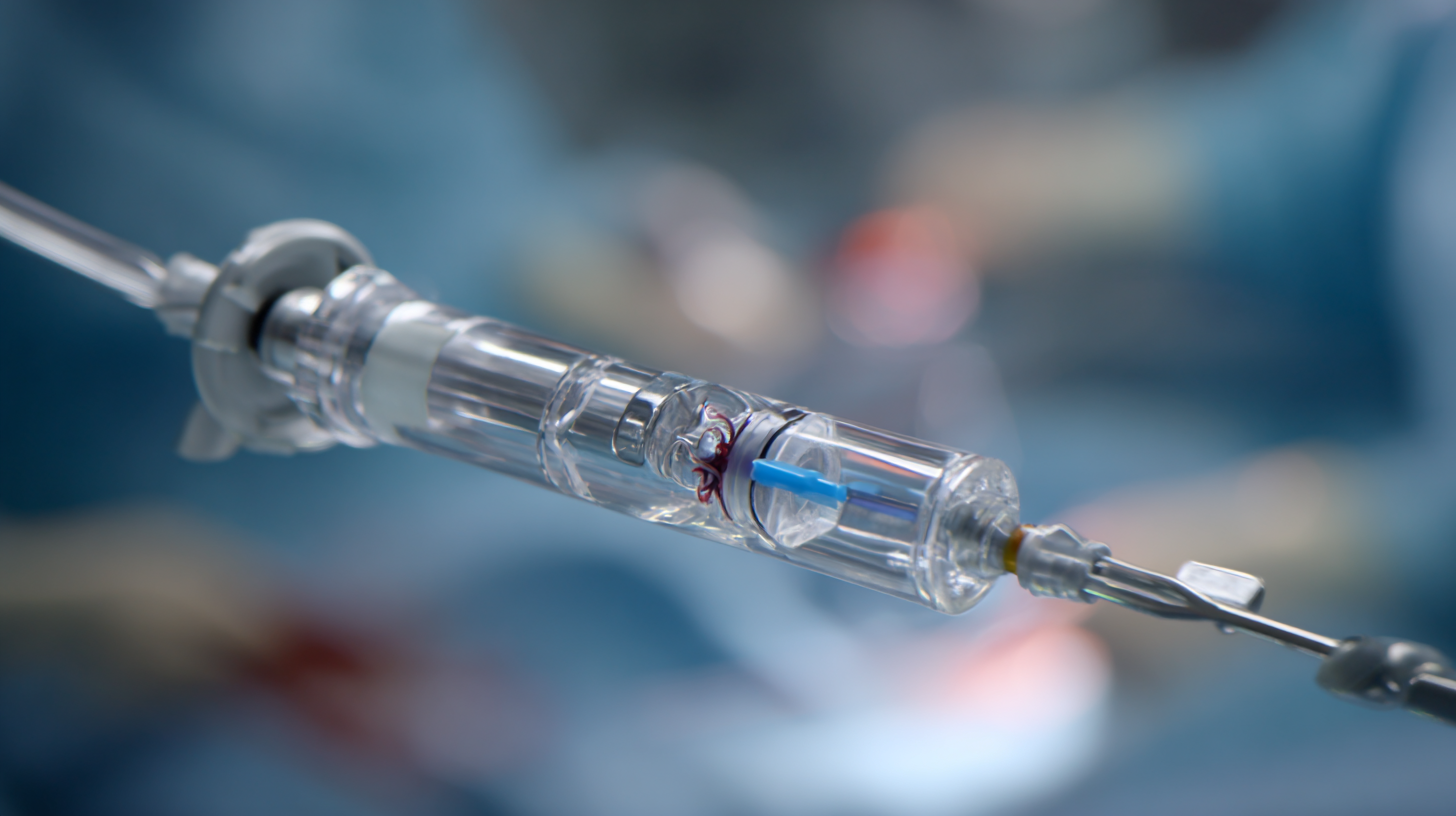
According to reports, the guiding catheter market is expected to grow at a compound annual rate (CAGR) of about 7.1% from 2025 through 2034. This growth makes sense because there’s a growing demand for less invasive surgical optionsacross various specialties. And it’s not just guiding catheters—other parts of the medical device world, like central Venous Catheters, are also on the rise. They’re projected to grow from roughly$122 million in 2025 to nearly $181 million by 2033. It’s a clear sign that the healthcare industry is really leaning into innovative and more efficient solutions.
As healthcare keeps evolving, these advanced catheter technologies aren’t just fitting current needs—they’re actually paving the way for even more breakthroughs down the line in interventional procedures. All in all, it’s an exciting time because these advancements aren’t just about better tech—they’re about better patient care, too.
Regulatory Landscape: Ensuring Safety and Efficacy in New Guiding Catheter Development
As the world of interventional medicine keeps growing and changing, the regulatory rules are more important than ever when it comes to making sure new guiding catheters are safe and actually work well. These days, regulatory agencies aren’t just about setting rules—they’re really trying to strike a balance between encouraging innovation and making sure patient safety isn’t compromised. So, when companies develop these advanced catheters, following thorough testing procedures is a must. This includes everything from lab tests before clinical trials to real-world testing with patients, all to check safety and performance.
Here's a little tip: if you're designing new guiding catheters, try to get feedback from clinicians early on. Talking to the people who actually use these tools can reveal practical issues and performance needs that you might not see in the lab, which can lead to a way better product overall.
Also, maintaining open communication between manufacturers, regulators, and healthcare providers is crucial. It helps everyone stay on the same page and smooths out the tricky approval process. Basically, by working together and sharing info, you can keep the focus on innovation without sacrificing patient safety.
Another little tip—keeping up with the latest regulatory updates can really help speed things up when you're getting your product to market. Attending industry workshops or seminars regularly can keep your team informed and flexible to adapt changes quickly.
Exploring the Efficacy and Market Impact of PTA Balloon Dilatation Catheter: Insights from Recent Medical Device Reports
Recent advances in vascular intervention have underscored the efficacy of the PTA (Percutaneous Transluminal Angioplasty) Balloon Dilatation Catheter. This minimally invasive device is primarily utilized in angioplasty procedures to tackle narrowed or blocked blood vessels, which are often the result of atherosclerosis. According to the latest medical device reports, the Pta Balloon catheter has demonstrated a success rate exceeding 90% in restoring blood flow, with minimal complications reported. The inflatable balloon technology at the catheter's tip plays a pivotal role by expanding to compress plaque or lesions against the vessel wall, thereby enhancing blood circulation and reducing symptoms associated with ischemic diseases.
As healthcare professionals continually seek effective treatment alternatives, the market for PTA balloon catheters has witnessed significant growth. Market analysis indicates that the demand for these medical devices is projected to expand at a compound annual growth rate (CAGR) of over 6% from 2023 to 2030. This surge is driven not only by the rise in cardiovascular diseases but also the increasing preference for minimally invasive surgical options that offer shorter recovery times. Recent studies highlight that the PTA balloon catheter facilitates quicker procedures and allows patients to resume normal activities sooner, aligning with the current trend towards outpatient care.
In addition to its clinical effectiveness, the PTA balloon catheter has been supported by robust data showcasing its economic benefits. Cost-effectiveness analyses reveal that its use can lead to decreased hospitalization times and reduced healthcare expenditures, thereby influencing hospital purchasing decisions. Health authorities are acknowledging these findings, further emphasizing the need for advanced vascular interventions and the PTA balloon catheter's integral role in improving patient outcomes.
FAQS
: Innovations in catheter design have enhanced maneuverability and precision, leading to improved patient safety and lower complication rates in interventional medicine.
Advanced catheter technologies can reduce procedural time by up to 30%.
Features like flexible tip configurations and hydrophilic coatings have contributed to a decrease in arterial injury rates from 8% to 3% in high-risk populations.
Next-generation guiding catheters have facilitated safer access to difficult-to-reach vascular territories, resulting in a 20% increase in successful interventions for challenging cases.
The regulatory landscape is critical for ensuring safety and efficacy in new guiding catheter developments, fostering innovation while protecting patient outcomes.
Manufacturers should prioritize user feedback from clinicians to address practical challenges and performance needs in real-world applications.
Collaboration between manufacturers, regulatory agencies, and healthcare providers can streamline the approval process while ensuring patient safety remains a priority.
Staying updated with the latest regulatory changes and participating in industry workshops and seminars can help manufacturers reduce time to market for new products.