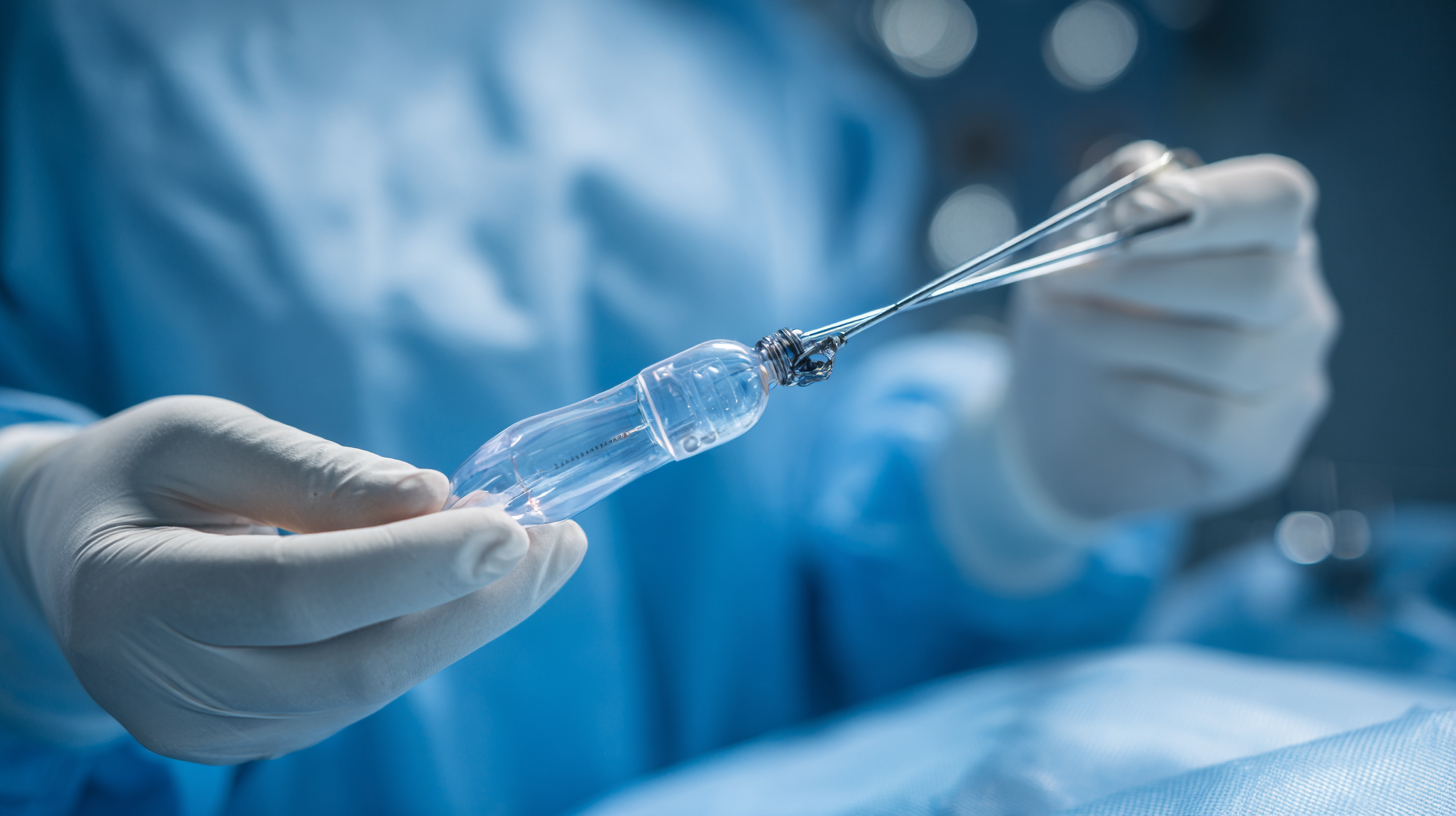
 Using a Balloon Catheter effectively really makes a difference in patient outcomes during various medical procedures. It’s a vital tool, especially for minimally invasive treatments. Did you know that, according to a recent report by Allied Market Research, the worldwide balloon catheter market is expected to hit around $4 billion by 2025? That surge is mainly because there's a growing demand for more advanced surgical tools and better patient care.
Here at Tianck Medical Co., Ltd., we’re passionate about designing precision-engineered balloon catheters that meet the changing needs of doctors and patients all around the globe. We’re committed to innovation and top-notch quality, so our products don’t just meet industry standards—they aim to surpass them, ultimately helping improve patient outcomes. As healthcare keeps evolving, it’s super important for medical professionals to know how to make the most of balloon catheters if they want to provide the best possible care.
Understanding Balloon Catheters: Types and Uses in Patient Care
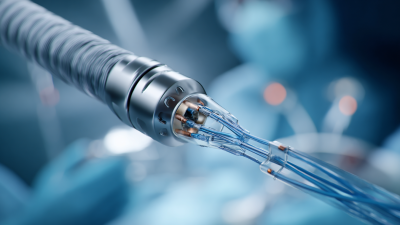
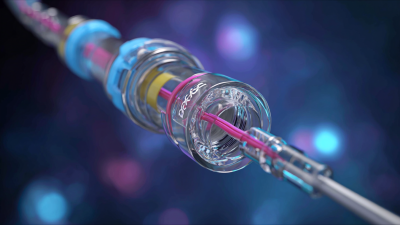
Balloon catheters are pretty versatile tools used in a bunch of different medical procedures—both for diagnosing and treating stuff. Basically, they’re made up of a flexible tube with a balloon at the tip that can be inflated. Doctors use them to tackle issues like blocked blood vessels, urethral strictures, or even to help out during childbirth. You’ll probably hear about a few common types like the angioplasty balloon catheter, urethral catheter, and Foley balloon catheter—each built for specific needs.
Picking the right catheter really matters if you want the treatment to work well. For example, angioplasty balloon catheters are usually the go-to for folks with coronary artery disease because they help open up narrowed arteries and get blood flowing again. Urethral catheters are used to relieve urinary retention or fix strictures, and Foley catheters are pretty much essential for managing bladder drainage. Getting to know the features of each type helps healthcare providers use them properly, which can really make a difference in patient outcomes and make procedures smoother overall.
Patient Care: Effectiveness of Balloon Catheter Types
Preparing for Balloon Catheter Insertion: Key Steps for Healthcare Providers
When preparing to insert a balloon catheter, healthcare providers really need to follow some key steps to make sure everything goes smoothly and the patient gets the best care possible. First off, it’s super important to carefully review the patient’s medical history and their current condition. This means checking for allergies, any other health issues they might have, and if they’ve had any catheterizations before. Talking to the patient about what’s about to happen can also help ease their nerves and encourage cooperation.
Tip: Make sure you've got all the necessary equipment ready beforehand—things like the balloon catheter itself, sterile gloves, lubricants, and any imaging tools if needed. Getting everything in order ahead of time helps the whole process go more smoothly and cuts down on possible complications.
Another really important part is prepping the insertion site properly. It should be cleaned thoroughly to keep infections at bay. Depending on what the catheter’s being used for, the provider might also want to give a local anesthetic to make things more comfortable. During the procedure, keep an eye on the patient’s vital signs and their comfort level—that way, you can keep them stable and assess if they’re okay every step of the way.
Tip: It’s always a good idea to have a second healthcare professional in the room. Working as a team not only makes the insertion process easier but also means help is ready if anything unexpected comes up.
Step-by-Step Guide to Inserting and Inflating a Balloon Catheter Correctly
When you're inserting and inflating a balloon catheter, it's really important to follow a steady, step-by-step approach to give the best care possible. Start by gathering all the stuff you'll need—like the catheter itself, some sterile lubricant, and a syringe for the inflation process. Make sure your hands are thoroughly washed and that you're wearing gloves—that keeps everything nice and sterile.
To get the catheter in place, gently apply some lubricant to the balloon tip and carefully guide it into the right opening. Take your time pulling it through—going slow is key—and keep an eye on the patient for any signs of discomfort or resistance. Once you think it's in the right spot, attach the syringe and carefully inflate the balloon. Make sure to fill it to the volume specified by the manufacturer to avoid tissue damage but ensure proper placement.
A few tips: Before you get started, double-check if the patient has any allergies or sensitivities to lubricants or other materials you're planning to use. Also, talking with the patient during the procedure can help keep them calm and cooperative. And don’t forget—be thorough in documenting everything you do, including any issues or observations along the way.
Monitoring and Managing Potential Complications During Catheter Use
Keeping a close eye on potential issues while using a balloon catheter is super important to make sure patients stay safe and comfortable. One common problem that can pop up is an infection at the spot where the catheter was inserted. To help prevent this, it’s key to follow strict aseptic techniques throughout the whole process. Regularly checking the insertion site for any early signs of infection—like redness, swelling, or discharge—is a good idea. Also, teaching patients about good hygiene and encouraging them to report anything unusual right away can really make a difference in the outcome.
Another thing to watch out for is catheter-related blood clots, which can have serious consequences if not caught early. So, keeping an eye on both the catheter site and the patient’s overall condition is crucial. Look for signs like swelling or pain in the limbs—that could be a clue something’s going on. If you suspect a clot, it’s important to act fast—this might mean running imaging tests or even removing or replacing the catheter. Plus, regularly checking the balloon’s pressure and volume helps prevent tissue damage or ischemia. By staying alert and proactive about these risks, healthcare providers can keep catheter use safe and help patients have better, smoother recoveries.

Post-Procedure Care: Ensuring Comfort and Safety for the Patient
Taking good care of patients after they've had a balloon catheter procedure is super important for making sure they stay comfortable and safe. Once the procedure is done, it’s a good idea to keep a close eye on how they’re doing — watch out for any signs of discomfort or possible complications. That means checking their vital signs regularly and giving the insertion site a quick look to spot any infection or bleeding. Creating a calm, reassuring environment can also do wonders in helping patients feel more at ease and less anxious after everything’s finished.
One thing that really makes a difference is encouraging patients to voice any discomfort they’re feeling—that way, you can address it sooner rather than later. Also, make sure they’re comfy—help them settle into a nice, supportive position with enough bedding. Small things like that can really boost their recovery experience. It’s also best to suggest gentle movement and taking things slow when they start resuming normal activities — pushing too hard too fast might cause issues.
And let’s not forget about hydration. Patients should be encouraged to drink plenty of fluids unless the doctor says otherwise. Staying hydrated helps speed up recovery and naturally helps flush out any sedatives or meds given during the procedure. All in all, paying close attention and offering thoughtful care can really make a big difference for a patient’s recovery after a balloon catheter treatment.
Education and Communication: Involving Patients in Their Care with Balloon Catheters
When it comes to using balloon catheters in medical procedures, getting the patient involved really makes a difference. Taking the time to explain what the catheter is for, how it works, and the benefits can make patients feel more at ease and willing to cooperate during treatment. It’s best to start this chat right from the first consultation—show them the ropes, walk through the steps of the procedure, and make sure to answer any questions they might have. Being open about everything helps remove some of the mystery around the process and actually makes patients feel more empowered to take part in their own care.
Plus, keeping an open line of communication builds trust and helps them feel reassured. Encouraging patients to ask questions and share their feelings makes the whole experience more personal and tailored to their needs. Giving them updates during the procedure can also help ease anxiety—that way, it feels less intimidating. When patients are actively involved, they usually end up having a better overall experience. So, making sure they understand and feel supported during the use of balloon catheters isn’t just good practice; it really helps create a caring, effective environment.
Comprehensive Guide to Malecot Drainage Catheters: Applications, Benefits, and Best Practices
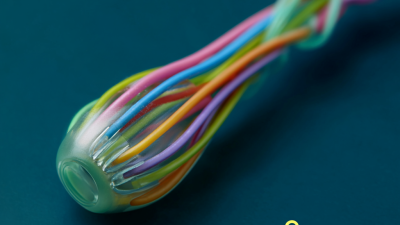
The Malecot Drainage Catheter is an essential device in modern medical practice, particularly favored in urology, interventional radiology, and general surgery for its excellent ability to drain fluids effectively from various body cavities. Its unique design, characterized by "wings" or "petals" at the tip, promotes secure placement and minimizes the risk of dislodgement, making it a reliable choice for healthcare professionals. This specialized catheter is particularly useful in scenarios involving the bladder, kidneys, abscesses, and other fluid collections, where effective drainage is crucial for patient recovery.
Available in multiple sizes, including 8F, 10F, 12F, and 14F, the Malecot drainage catheter adapts to a wide range of clinical applications. The choice of size allows clinicians to select the most appropriate model for individual patient needs, ensuring optimal fluid drainage while maintaining comfort. Understanding the specifications and benefits of the Malecot Catheter empowers healthcare providers to implement best practices in patient care, leveraging its innovative design to enhance treatment outcomes and overall efficiency in fluid management.
FAQS
: You need a balloon catheter, sterile lubricant, and a syringe for inflation.
The catheter should be gently lubricated and carefully guided into the designated anatomical opening while monitoring the patient for discomfort or resistance.
Attach the syringe to the catheter and inflate the balloon to the specified volume as indicated in the manufacturer’s guidelines.
Common complications include infection at the insertion site and catheter-related thrombosis.
Maintaining strict aseptic techniques, regularly assessing the insertion site, and educating patients about proper hygiene can help minimize infection risks.
Immediate intervention is necessary, which may include imaging studies and possible catheter removal or replacement.
Educating patients enhances their comfort and cooperation by making them aware of the purpose, functioning, and benefits of balloon catheters.
By creating an open dialogue, encouraging questions, and providing regular updates during the procedure, healthcare providers can enhance trust and reassurance.
It is important to accurately document the procedure, noting any complications or observations made during the process.
By explaining the procedure, addressing concerns, and involving them in decision-making, patients can play a more active role in their care.
Conclusion
The article titled "How to Effectively Use a Balloon Catheter for Optimal Patient Care" really offers a thorough look into balloon catheters — covering the different types and how they're used in real clinical settings. It highlights how important it is to get everything ready beforehand, following proper protocols. There’s a handy step-by-step guide here to help healthcare providers make sure they’re inserting and inflating the catheter correctly. It also talks about the need to keep a close eye on potential issues during use, and stresses how crucial post-procedure care is for keeping the patient comfortable and safe.
Plus, the article stresses that good communication and patient education are key. Making sure patients understand what's happening and involving them in their own care can really make a difference. It aligns nicely with what Tianck Medical CO., Ltd. stands for — a commitment to improving patient outcomes by providing precision-engineered products that help medical professionals deliver top-notch healthcare around the world.