Leave Your Message
0%

Hey, you know how healthcare’s always changing? Well, the Central Venous Catheter with triple lumen has become such an essential tool for patient care nowadays. It gives healthcare providers multiple spots to administer meds, give fluids, or do blood tests—all in one go. I read in the American Journal of Surgerythat using these Central Lines properly can really cut down hospital stays and lead tobetter outcomes for patients. That’s why optimizing how we use them is so important.
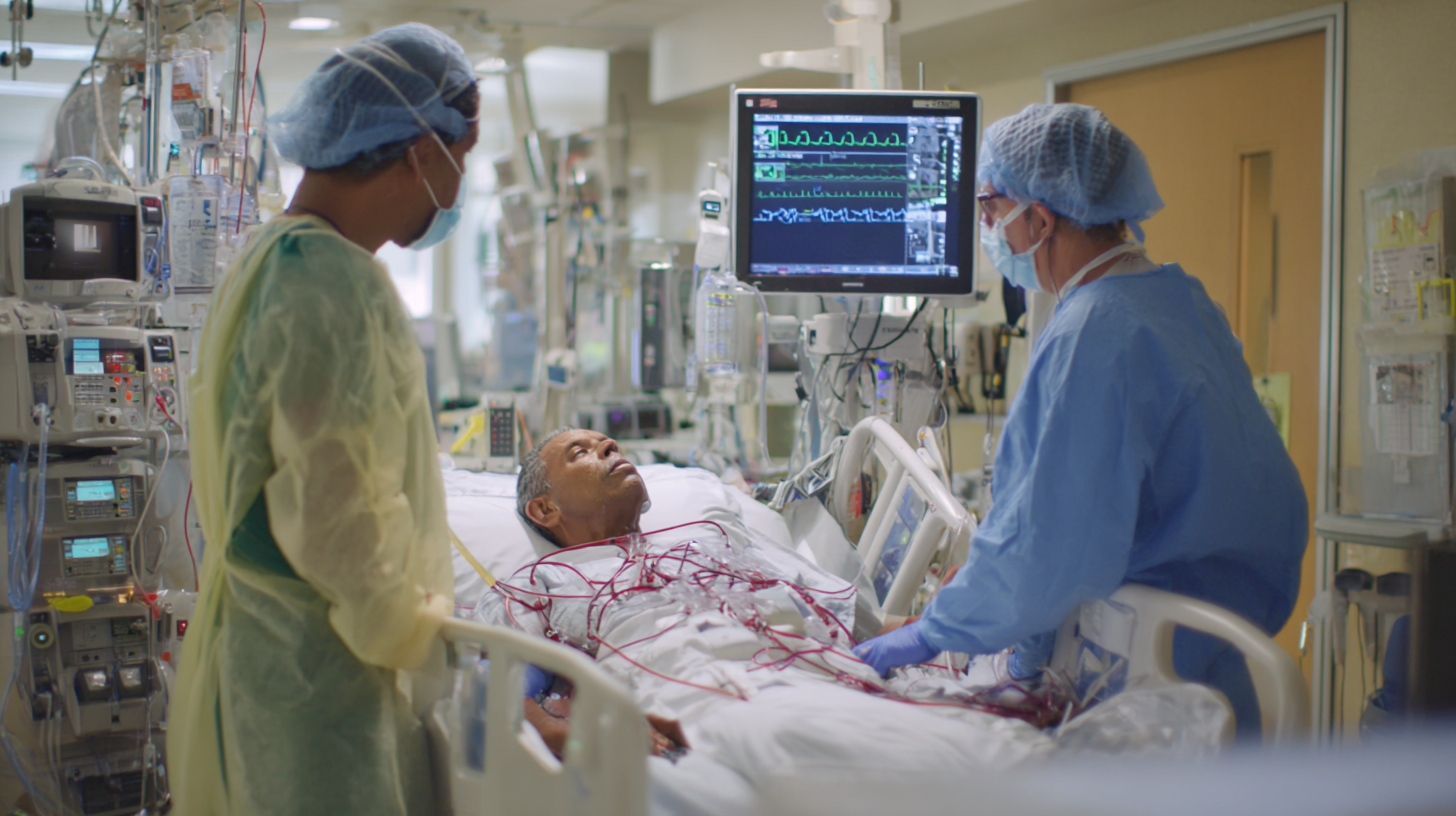
How to Optimize the Use of Central Venous Catheter Triple Lumen in Patient Care

Over at Tianck Medical CO., Ltd., we’re all about creating products that are designed with precision. Our goal isn’t just to meet what healthcare workers need, but also to help raise the standard of care for patients worldwide. As more and more folks look for effective medical solutions, it’s super important to understand the best ways to use these triple lumen catheters—doing so can make a real difference in patient results and help push healthcare forward.

Benefits of Using Triple Lumen Catheters in Critical Care Settings

Using Triple Lumen Catheters (TLCs)in Critical Care really offers some pretty big upsides when it comes to managing patients. I came across a study in theJournal of Vascular Access that highlights how TLCs are so versatile—they let healthcare providers deliver multiple treatments at the same time. This is a game-changer in emergency and ICU settings where time is of the essence. With three separate lumens, you can give meds, fluids, and blood products all through one device, which means less poking around for veins and a lower chance of complications like phlebitis. Nobody wants extra discomfort or trouble, right?
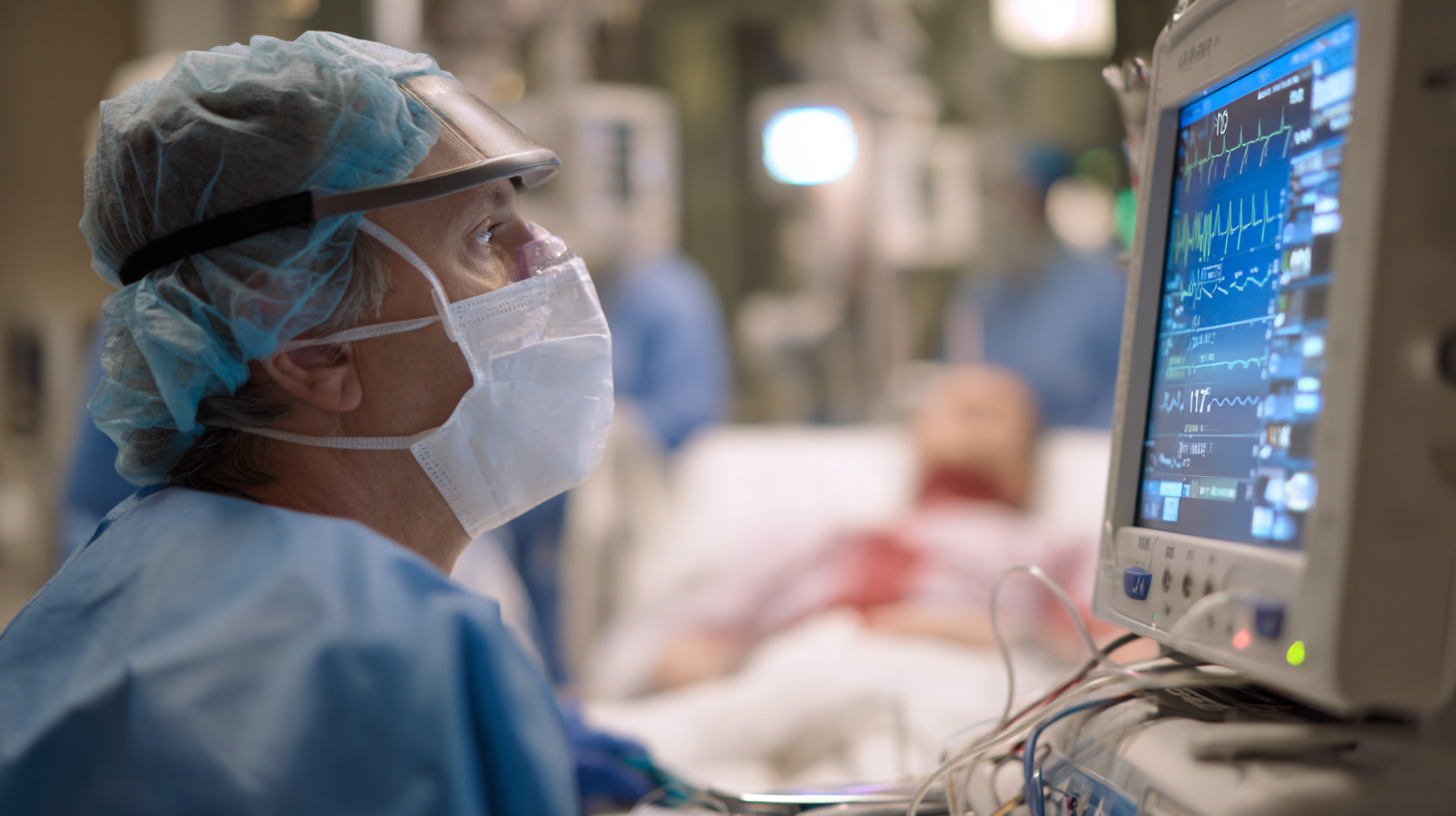
How to Optimize the Use of Central Venous Catheter Triple Lumen in Patient Care

On top of that, research suggests TLCs can actually make the whole care process more efficient during critical moments. The Society of Critical Care Medicine pointed out that using TLCs can cut down on the number of days patients need catheters—by up to 30%—and also reduce infection rates. This is especially important for those really sick patients who need complex, often urgent treatments. By making good use of TLCs, medical teams can respond faster, work more effectively, and help keep patients safer—pretty much what you'd want in high-pressure situations, I think.

Best Practices for Insertion and Management of Central Venous Catheters

Managing central venous catheters (CVCs), especially those triple lumen ones, is a really important part of taking good care of patients—particularly those who are critically ill. When it comes to inserting these catheters, following strict aseptic techniques is a must because infections are pretty common in ICUs. In fact, some recent studies suggest that up to half of ICU patients might end up with bacterial or fungal infections, which really shows just how crucial careful handling and ongoing care are.

But it’s not just about the insertion—keeping up with good management practices once the catheter’s in place is just as important. Regularly checking the insertion site and sticking to proper maintenance routines can make a big difference in preventing infections related to the catheter. Plus, newer tech like non-invasive monitoring options and smarter catheter designs are really shaping the future of managing central venous pressure, especially when it comes to serious issues like sepsis or heart failure. By staying on top of these best practices, healthcare providers can better protect what really matters—our patients’ health and safety.

It’s all about being meticulous and staying updated, so we can give patients the best shot at recovery.

Central Venous Catheter Utilization: Best Practices and Outcomes

Monitoring Complications: Data on Infection Rates and Catheter Malfunction

Central venous catheters, especially those with triple lumens, have really become a staple in patient care these days. They’re so useful for running multiple IVs at once and keeping a close eye on what's happening. That said, they’re not without their risks—things like infections and mechanical issues can definitely happen. Recent studies really show how important it is to keep a close watch on these potential problems, because catching and managing them early can make a big difference in how patients do overall.

Infections are still a big concern with CVCs. If they’re not handled or maintained properly, the risk of bloodstream infections (CRBSIs) shoots up. That’s why following strict protocols for insertion and checking the catheter site regularly is so crucial. Clinicians also need to stay alert for signs of infection—if they spot anything unusual, quick intervention can really help reduce complications and keep patients safer.

Then there’s the issue of catheter malfunction, which can be super frustrating. Problems like blockages or mechanical failures can slow down treatment or cause discomfort for the patient. Routine checks—like flushing the line regularly and, if needed, doing imaging—can help spot these issues early on. That way, adjustments or replacements can happen before things get worse. All in all, making sure we monitor and take good care of these catheters can really improve their effectiveness and, more importantly, ensure patients stay safe and comfortable.

How to Optimize the Use of Central Venous Catheter Triple Lumen in Patient Care - Monitoring Complications: Data on Infection Rates and Catheter Malfunction

Dimension Value
Total Catheters Inserted 500
Infection Rate (%) 7.5
Catheter Malfunction Rate (%) 4.0
Average Duration of Use (days) 14
Patients with Complications (%) 11.0
Readmission Due to Complications (%) 2.5

Optimizing Fluid and Medication Administration through Triple Lumen Catheters

Using a central venous catheter (CVC) with three lumens really makes a difference when it comes to giving fluids and meds to patients. Each lumen can do its own thing, so you can run multiple therapies at once without worrying about stuff mixing together. For example, one lumen might be used for IV fluids, another for antibiotics or chemo, and the third for blood draws or nutritional support. It’s a pretty efficient setup — it saves time and also makes patients more comfortable since they don’t need as many pokes.

To get the most out of triple lumen catheters, healthcare workers should focus on clear communication and thorough documentation. It's super important to be aware of flow rates and to check that different meds or fluids won’t accidentally clash. Regularly checking if the lines are open and flushing them now and then helps avoid issues like clots or infections. If everyone sticks to good protocols and pays attention to these details, we can maximize the benefits of these catheters and help patients recover better while making the whole process smoother for everyone involved.

Educating Healthcare Staff on Proper Techniques for Catheter Utilization

Good training and education for healthcare staff on how to properly handle triple lumen central venous catheters (CVCs) really make a difference when it comes to patient safety and quality of care, you know? A study published in the *American Journal of Infection Control* points out that many bloodstream infections related to these catheters happen because of mishandling or a lack of proper knowledge about how to manage them. Surprisingly, these infections are seen in about 3-8% of patients with CVCs, which really highlights how important it is to have solid training programs tailored for nurses and doctors alike.

So, what should these trainings include? Well, they should cover everything from how to insert, care for, and safely remove these lines. The CDC recommends that healthcare workers get assessed once a year to make sure they’re up to date on infection prevention measures linked to CVCs—stuff like maintaining sterile techniques and using antiseptics properly. Hands-on sessions, like simulations and workshops, can make a big difference because they help staff remember procedures better and feel more confident when they actually do it. In fact, some studies show that these kinds of training improvements can cut infection rates by up to half!

All in all, setting up structured educational programs isn’t just about following guidelines. It’s about empowering healthcare providers to spot issues early and give better care. As we keep focusing on patient safety, investing in staff education really is the foundation for safer, more effective use of these catheters.

How to Optimize the Use of Central Venous Catheter Triple Lumen in Patient Care

Recent Innovations in Triple Lumen Catheter Materials and Designs

Lately, there’s been some pretty exciting progress in the design and materials used for triple lumen catheters, and it’s genuinely making a difference in patient care and safety. Manufacturers are now using innovative stuff like advanced polymers and anti-microbial coatings—these really help cut down the risk of infections, which is super important when you're dealing with central venous catheters. Plus, these new materials aren’t just safer—they’re also more compatible with the body, more durable, and flexible enough to make insertion a lot easier, which means patients tend to be more comfortable too.

On top of that, modern designs are taking into account many of the issues folks faced with the older models. For instance, some new catheters now come with special valves to prevent backflow and lower the chances of air getting into the bloodstream, which is a big deal. They’re also designed more ergonomically, so healthcare providers can handle them more comfortably and perform procedures more smoothly. As we keep pushing forward with these innovations, the overall safety and effectiveness of triple lumen catheters are heading in a really positive direction—ultimately, that’s great news for patients and their recovery outcomes.

FAQS

: What are the advantages of using Triple Lumen Catheters in critical care settings?

: Triple Lumen Catheters provide a versatile solution for administering medications, fluids, and blood products simultaneously, which reduces patient discomfort and the risk of complications such as phlebitis.

How do Triple Lumen Catheters impact patient management efficiency?

TLCs can decrease overall catheter days and associated infection rates by up to 30%, thus enhancing the speed and effectiveness of interventions in critical situations.

What purposes can the separate lumens of a Triple Lumen Catheter serve?

Each lumen can be dedicated to different functions, such as intravenous fluids, medications (e.g., antibiotics or chemotherapy), and blood draws or parenteral nutrition, allowing for simultaneous infusion without risk of cross-contamination.

What practices should healthcare providers emphasize when using Triple Lumen Catheters?

Providers should prioritize clear communication, meticulous documentation, routine checks for patency, and periodic flushing of each lumen to ensure safe administration and prevent complications.

Why is education and training important for healthcare staff using Triple Lumen Catheters?

Proper education and training are crucial to enhance patient safety and care outcomes, as improper handling can lead to catheter-related bloodstream infections.

What kind of training should healthcare personnel receive regarding Triple Lumen Catheters?

Training should include insertion techniques, maintenance, removal protocols, and infection prevention measures, with annual competency assessments recommended by the CDC.

How can structured educational programs benefit healthcare providers using Triple Lumen Catheters?

These programs foster adherence to best practices, empower providers to identify complications early, and may lower infection rates by enhancing skill retention and confidence.

What are the risks associated with improper handling of central venous catheters?

Improper handling and inadequate knowledge of management protocols can lead to catheter-related bloodstream infections, which occur in approximately 3-8% of patients with such catheters.

How can simulations and hands-on workshops aid healthcare staff?

Simulations and hands-on workshops can significantly enhance skill retention and boost confidence in the proper use of Triple Lumen Catheters, ultimately contributing to better patient outcomes.

What is the role of clear communication in the use of Triple Lumen Catheters?

Clear communication among healthcare providers ensures safe administration of fluids and medications, helping to avoid errors and improving overall patient care.

Conclusion

The 'Central Venous Catheter Triple Lumen' has really become an essential tool in critical care units nowadays. It’s super helpful because it allows healthcare providers to give multiple medications and fluids all at once—talk about convenience! Of course, to keep things running smoothly and avoid issues like infections or catheter problems, sticking to the best practices for insertion and management is a must. When used properly, these catheters make a big difference in patient care by ensuring that fluids and meds get delivered efficiently.

Training the healthcare team on how to use the Triple Lumen correctly is really key to keeping our care standards high. Plus, with recent advances in catheter materials and designs, we’re better equipped than ever to support this goal. It’s all part of what we do at Tianck Medical Co., Ltd.—pushing forward with innovative solutions to improve healthcare and patient outcomes around the globe.

Emma

Emma

Emma is a dedicated marketing professional currently working at Tianck Medical CO., Ltd., where she tirelessly focuses on enhancing patient outcomes and advancing the healthcare sector. With a profound expertise in the company's precision-engineered medical products, Emma plays a pivotal role in......
Previous Exploring Unique Options for Micro Guide Wire in Global Markets