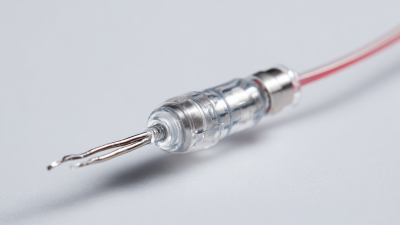
In the ever-changing world of healthcare, choosing the right Non Tunneled Catheter really matters when it comes to giving patients the best possible outcomes. Like Dr. Sarah Thompson, a well-known expert in Vascular Access, often points out, "Picking the right catheter can make a real difference in how patients experience their care and recover." At Tianck Medical Co., Ltd., we totally understand how important this is, and we're committed to offering carefully designed solutions that help healthcare pros make confident decisions.
We’re all about pushing healthcare forward, which means we’re always updating our products to keep up with what medical teams and patients need around the world. With our know-how in medical device innovation, we aim to make it easier for practitioners to navigate the sometimes tricky process of choosing the right catheter, so they’ve got the best tools in their hands. When they think about each patient’s specific treatment plan, they can deliver better care and see better health improvements.
As you figure out how to pick the perfect Non Tunneled Catheter for your needs, keep in mind all the different factors—like the patient’s condition, the catheter’s design, and what it will be used for. By tapping into our experience and insights, healthcare providers can feel more confident making these choices, which ultimately helps create a more effective, compassionate healthcare system.

Key Factors in Selecting Non-Tunneled Catheters: Efficacy and Safety Standards
When selecting a non-tunneled catheter, healthcare professionals must prioritize both efficacy and safety standards to ensure optimal patient outcomes. According to a report by the Infusion Nurses Society, non-tunneled catheters demonstrate a success rate of over 90% for short-term access in critical care settings. The selection process should consider patient-specific factors, such as the duration of Venous Access required and the predicted complications associated with the catheter type.
Safety is paramount, as the Centers for Disease Control and Prevention (CDC) guidelines emphasize the need to minimize infection risks associated with catheter use. The use of antimicrobial-coated catheters has been shown to reduce the rate of catheter-related bloodstream infections by up to 60%, highlighting their importance in clinical decision-making. Furthermore, the risk of thrombosis and vessel damage must also be weighed, with current studies indicating a 20-30% risk for non-tunneled catheters, necessitating careful monitoring and assessment during use. Therefore, a thorough understanding of these key factors and adherence to established safety protocols are crucial when choosing the right non-tunneled catheter for any medical setting.
Understanding Different Types of Non-Tunneled Catheters and Their Applications
When choosing a non-tunneled catheter, it's essential to understand the various types available and their specific applications. Non-tunneled catheters, often used for short-term access to the central venous system, include types such as peripheral inserted central catheters (PICC), triple-lumen catheters, and single-lumen catheters. According to a study published in the *Journal of Vascular Access*, nearly 75% of hospitals prefer using PICCs for patients requiring medium to long-term intravenous therapy due to their lower risks of complications compared to other types.
The choice of catheter type can significantly affect clinical outcomes. For example, a report from the Infusion Nurses Society indicates that the infection rates are markedly lower in patients receiving antibiotics through single-lumen catheters as opposed to multi-lumen options, where infection rates can reach up to 30% higher. Moreover, selection should also consider factors such as the patient's condition, intended duration of use, and necessary infusion therapies. Educating healthcare professionals on these aspects can lead to improved patient safety and enhanced therapeutic effectiveness.
How to Choose the Right Non Tunneled Catheter for Your Medical Needs
| Catheter Type | Indications | Insertion Site | Duration of Use | Advantages |
| Peripheral Catheter | Short-term IV therapy | Peripheral veins | Up to 7 days | Easy insertion, low infection risk |
| Central Venous Catheter (CVC) | Long-term IV therapy, chemotherapy | Internal jugular, subclavian, femoral veins | Days to months | Allows multiple accesses, long-term use |
| Peripherally Inserted Central Catheter (PICC) | Long-term IV therapy, nutrition | Basilic or cephalic vein | Weeks to months | Greater patient comfort, less risk of complications |
| Dialysis Catheter | Hemodialysis | Internal jugular or femoral veins | Days to weeks | Specifically designed for dialysis, quick access |
Guidelines for Catheter Sizing: Importance of Proper Fit and Patient Comfort
When selecting a non-tunneled catheter, proper sizing is crucial for ensuring both functionality and patient comfort. The catheter must fit snugly within the vessel to minimize the risk of complications such as thrombosis or infection. Catheters that are too small may lead to inadequate flow rates, while those that are overly large can cause vessel trauma. Therefore, healthcare providers must assess the patient’s anatomy and choose the appropriate size based on specific guidelines to achieve optimal outcomes.

In recent advancements, technologies such as intra-cardiac echo (ICE) have been instrumental in guiding procedures that require precise placement of devices in anatomical structures like the left atrial appendage (LAA). The interventionalist operates ICE, allowing for real-time imaging that aids in catheter positioning. This approach highlights the significance of ensuring that the selected catheter not only fits properly but also is compatible with the imaging techniques being used, which ultimately enhances patient safety and comfort during the procedure.
Proper attention to these factors is essential for effective catheterization and successful patient care.
Comparative Analysis of Materials: Polyurethane vs. Silicone Catheters
When selecting a non-tunneled catheter, the choice of material is crucial, as it directly impacts patient comfort and the effectiveness of the procedure. Two of the most commonly used materials for non-tunneled catheters are polyurethane and silicone, each offering unique advantages.  Polyurethane catheters are known for their strength and durability, making them suitable for long-term use in various settings. Their lower friction coefficient can facilitate smoother insertion and reduce trauma to the vessel wall. On the other hand, silicone catheters are recognized for their biocompatibility and flexibility, which helps minimize irritation and maximize patient comfort, particularly during prolonged usage.
At Tianck Medical CO., Ltd., our commitment to improving patient outcomes drives us to meticulously design our catheters using these materials, ensuring they meet the evolving needs of both healthcare providers and patients globally. We understand that each medical scenario is unique, which is why our precision-engineered products cater specifically to the diverse requirements of medical professionals. By providing high-quality, reliable materials, we aim to enhance the safety and efficiency of non-tunneled catheterization, ultimately leading to better patient care and satisfaction.
Patient Population Considerations: Tailoring Catheter Choice to Specific Medical Needs
Choosing the right non tunneled catheter is crucial for enhancing patient outcomes, especially when considering the specific needs of diverse patient populations. According to a report by the National Institute for Health Research, approximately 30% of hospital patients require vascular access for longer than 24 hours, making the choice of catheter type essential to prevent complications such as infections and thrombosis. Tailoring catheter selection to individual patient needs, including their diagnosis, age, and overall health status, is vital. For instance, patients receiving chemotherapy may benefit from catheters with a reduced risk of infection and improved dwell times.
At Tianck Medical Co., Ltd., we recognize the challenge healthcare professionals face in addressing these diverse needs. Our precision-engineered non tunneled catheters are designed to meet the evolving demands of modern medicine. By focusing on patient-specific factors, such as the anatomical site and the expected duration of catheter use, we provide solutions that minimize complications while maximizing comfort and efficacy. Research indicates that appropriate catheter selection can lead to a 50% reduction in infection rates, demonstrating our commitment to improving patient outcomes and advancing healthcare standards globally.
Patient Population Considerations for Non Tunneled Catheter Selection
This chart illustrates the different medical needs and their respective frequency of catheter usage among various patient populations. The data presented can help healthcare providers make informed decisions when selecting the appropriate non tunneled catheter for patients based on specific requirements.
Evaluating Clinical Outcomes: Infection Rates and Longevity of Non-Tunneled Catheters
When selecting a non-tunneled catheter for medical needs, understanding clinical outcomes such as infection rates and catheter longevity is crucial. Non-tunneled catheters are often utilized for short-term access to the vascular system, typically in acute care settings. Their direct insertion into the bloodstream increases the risk of infections, making infection rates a significant consideration. Studies have shown that minimizing the duration of catheter placement and adhering to strict aseptic techniques can significantly reduce these infection risks, highlighting the importance of careful management and monitoring.
Furthermore, the longevity of non-tunneled catheters is influenced by multiple factors, including the insertion site, patient condition, and catheter type. Generally, these catheters are designed for short-term use, but understanding how specific designs and materials can enhance their dwell time is essential for optimizing patient care. Clinicians must weigh the benefits of extended usage against potential complications, ensuring that the chosen catheter aligns with the patient's clinical needs while considering the balance between functionality and safety. This thorough evaluation of infection rates and catheter longevity plays a pivotal role in the selection process, ultimately impacting patient outcomes.
FAQS
: The two main materials used for non-tunneled catheters are polyurethane and silicone.
Polyurethane catheters are known for their strength, durability, and lower friction coefficient, which facilitates smoother insertion and reduces trauma to the vessel wall.
Silicone catheters are recognized for their biocompatibility and flexibility, which help minimize irritation and maximize patient comfort during prolonged usage.
The choice of catheter material is crucial as it directly affects patient comfort and the effectiveness of the procedure, influencing factors like trauma during insertion and irritation over time.
Tailoring catheter selection to individual patient needs, such as diagnosis, age, and health status, is essential to prevent complications like infections and thrombosis and to enhance overall patient outcomes.
Approximately 30% of hospital patients require vascular access for longer than 24 hours, making the choice of catheter type critical for preventing complications.
Research indicates that appropriate catheter selection can lead to a 50% reduction in infection rates, emphasizing the importance of careful material and design choices.
Tianck Medical Co., Ltd. is committed to designing high-quality, reliable non-tunneled catheters that meet the specific needs of healthcare providers and patients, thereby improving outcomes.
Tianck Medical catheters consider factors such as the anatomical site and expected duration of catheter use to minimize complications and maximize comfort and efficacy.
The ultimate goal is to enhance the safety and efficiency of non-tunneled catheterization, leading to better patient care and satisfaction.
Conclusion
In the selection of a Non Tunneled Catheter, several key factors must be considered to ensure both efficacy and patient safety. Understanding the different types of non-tunneled catheters and their specific applications is crucial for meeting diverse medical needs. Proper catheter sizing is essential for achieving optimal fit and patient comfort, while materials such as polyurethane and silicone offer distinct advantages and disadvantages that can influence the catheter's performance. Additionally, tailoring the choice of catheter to the specific patient population is vital for achieving the best clinical outcomes, particularly in terms of infection rates and the longevity of the device.
At Tianck Medical Co., Ltd., we are dedicated to advancing healthcare through precision-engineered products that align with the evolving needs of medical professionals and their patients. By focusing on these essential factors when selecting Non Tunneled Catheters, we strive to enhance patient outcomes and support healthcare providers in delivering the highest standard of care.